- Your cart is empty
- Continue Shopping




₹3,510.94
| 1+ pcs |
|---|
Daslemia 100mg may be prescribed for:
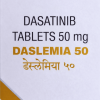
Daslemia 100mg Tablet contains Dasatinib 100mg, a targeted anti-cancer medicine belonging to the tyrosine kinase inhibitor (TKI) group. It is primarily used to treat certain types of blood cancer, including Philadelphia chromosome-positive chronic myeloid leukemia (Ph+ CML) and Philadelphia chromosome-positive acute lymphoblastic leukemia (Ph+ ALL).
Daslemia works by targeting abnormal proteins that send signals encouraging leukemia cells to grow and multiply. By blocking these signals, it helps control the abnormal growth of cancer cells.
Daslemia 100mg is a prescription medicine and should be taken strictly under the supervision of an oncologist or hematologist.
Daslemia 100mg may be prescribed for:
The exact dose and duration depend on the type of leukemia, previous treatment, response to therapy and the patient’s overall health.
Some patients may experience side effects during treatment. Commonly reported side effects include:
Contact your doctor promptly if you experience fever, unusual bleeding or bruising, severe weakness, persistent diarrhoea, sudden swelling, chest pain, severe breathlessness, fainting or an irregular heartbeat.
Dasatinib can cause serious complications such as low blood-cell counts, bleeding, fluid around the lungs and certain heart or lung problems, so regular medical monitoring is important.
If you miss a dose, follow your doctor’s instructions. Do not take a double dose to compensate for a missed dose.
Antacids should generally be separated from dasatinib by an appropriate interval because they can affect absorption. Acid-reducing medicines such as proton-pump inhibitors can significantly reduce dasatinib exposure, so discuss them with your doctor before use.
Daslemia contains dasatinib, a tyrosine kinase inhibitor.
Certain leukemia cells contain abnormal proteins produced by genetic changes, including the BCR-ABL protein associated with the Philadelphia chromosome. These proteins continuously send signals that encourage cancer cells to grow and survive.
Dasatinib blocks the activity of these abnormal tyrosine kinases. By interrupting these growth signals, it helps slow the multiplication and survival of leukemia cells and supports control of the disease.
Pregnancy: Dasatinib can cause serious harm to an unborn baby. Women who can become pregnant should use effective contraception during treatment and discuss pregnancy planning with their doctor. Do not use Daslemia during pregnancy unless specifically directed by your specialist.
Breastfeeding: Breastfeeding is not recommended during treatment with dasatinib. Discuss appropriate alternatives with your doctor.
Blood counts: Daslemia can reduce white blood cells, red blood cells and platelets. Regular blood tests are required. Report fever, infection, unusual bruising or bleeding immediately.
Bleeding: Dasatinib can increase the risk of bleeding. Inform your doctor if you notice blood in the urine or stool, black stools, unusual bruising, nosebleeds or persistent bleeding.
Fluid retention & lungs: Dasatinib can cause fluid accumulation, including pleural effusion around the lungs. Contact your doctor urgently if you develop new or worsening breathlessness, chest pain or persistent cough.
Heart problems: Tell your doctor if you have a history of heart disease, abnormal heart rhythm or electrolyte abnormalities. Dasatinib can be associated with rhythm disturbances and other cardiovascular complications.
Liver disease: Inform your doctor if you have liver problems. Your doctor may monitor liver function during treatment.
Grapefruit: Avoid grapefruit and grapefruit juice during treatment unless your doctor specifically advises otherwise, as grapefruit can increase dasatinib levels and potentially increase side effects.
Drug interactions: Inform your doctor about all medicines, vitamins and supplements you take. Some medicines can significantly change dasatinib levels or increase the risk of bleeding, infection or abnormal heart rhythm.
Driving: Daslemia may cause dizziness, drowsiness or visual disturbances in some patients. Avoid driving or operating machinery if you experience these effects.
Important: Daslemia 100mg is a prescription anti-cancer medicine. The dose must be individualized by your treating specialist. Do not stop, restart or alter treatment without medical advice.
Disclaimer: This information is intended for educational purposes and does not replace professional medical advice, diagnosis or treatment. Always use Daslemia 100mg Tablet according to your oncologist’s prescription and treatment plan.





Reviews
There are no reviews yet.