- Your cart is empty
- Continue Shopping


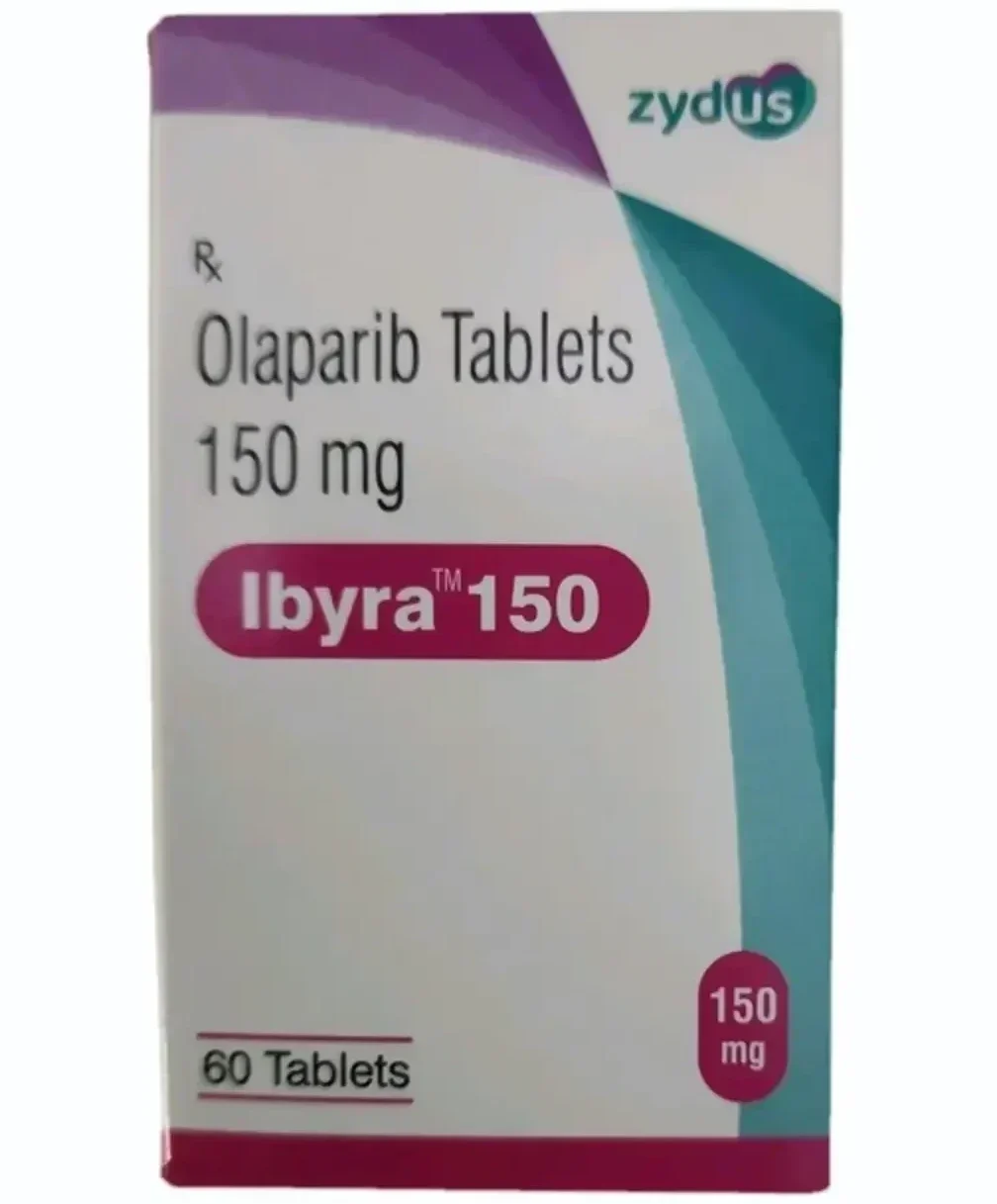
₹15,449.00
| 1+ pcs |
|---|
Ibyra 150mg may be prescribed for certain patients with:
Ibyra 150mg Tablet contains Olaparib 150mg, a targeted anticancer medicine belonging to a group called PARP inhibitors. It is used under specialist supervision for certain types of cancer, including specific ovarian and breast cancers. Depending on the indication and the patient’s cancer characteristics, olaparib may also be used for other cancers such as pancreatic or prostate cancer.
The suitability of Ibyra depends on factors such as the type and stage of cancer, previous treatment, and specific genetic or biomarker findings. Therefore, it should be taken only according to an oncologist’s prescription.
Ibyra 150mg is a targeted oral therapy and is different from conventional chemotherapy. It works by interfering with DNA-repair mechanisms that cancer cells may depend on for survival.
Ibyra 150mg may be prescribed for certain patients with:
The exact indication depends on the patient’s cancer type, genetic/biomarker status and previous treatment.
Ibyra does not mean that every cancer patient can use the medicine. Olaparib treatment should be selected and monitored by an oncologist based on the individual patient’s clinical condition and approved indication.
Some patients may experience side effects during treatment.
Contact your doctor promptly if you develop:
Olaparib can cause significant changes in blood-cell counts, so regular blood tests are important during treatment. Rare but serious blood or bone-marrow disorders and lung inflammation have also been reported.
If you miss a dose, follow your doctor’s instructions. Do not take an extra or double dose to compensate for a missed dose.
If vomiting occurs after taking a dose, do not automatically repeat the dose; contact your healthcare professional for instructions.
Ibyra contains Olaparib, which is a PARP inhibitor.
PARP enzymes help cells repair certain types of damaged DNA. Some cancer cells, particularly those with defects in other DNA-repair pathways such as BRCA-related defects, can become especially dependent on PARP-mediated repair.
Olaparib blocks PARP activity. This increases DNA damage in susceptible cancer cells and can prevent them from successfully repairing that damage, eventually causing affected cancer cells to stop growing or die.
This mechanism helps explain why olaparib is used selectively in cancers with particular molecular or genetic characteristics.
Prescription & Specialist Supervision:
Ibyra 150mg is a prescription anticancer medicine. It should be started and monitored by an oncologist.
Blood Counts:
Olaparib can reduce blood-cell counts. Your doctor may arrange regular complete blood count (CBC) testing during treatment. Report fever, unusual bleeding, bruising, severe tiredness or breathlessness promptly.
Pregnancy:
Ibyra can harm an unborn baby. Women who could become pregnant should use effective contraception during treatment and for the period recommended by their doctor after treatment. Men taking olaparib may also need to use effective contraception according to medical advice.
Breastfeeding:
Breastfeeding is generally not recommended during olaparib treatment and for the period specified by the treating physician after the final dose. Discuss this with your oncologist.
Kidney Disease:
Tell your doctor if you have kidney problems. Olaparib exposure can increase with reduced kidney function, and dose adjustment may be required in some patients.
Liver Disease:
Inform your doctor if you have liver disease. Your oncologist will determine whether any additional monitoring or dose adjustment is required.
Lung Problems:
Tell your doctor if you have existing lung disease. Seek medical attention for new or worsening cough, breathing difficulty or unexplained shortness of breath, as rare cases of pneumonitis have been reported.
Drug Interactions:
Olaparib can interact with medicines that affect the CYP3A enzyme system. Certain antifungals, antibiotics, anticonvulsants and other medicines can significantly change olaparib levels. Always provide your doctor with a complete list of medicines, vitamins and supplements you take.
Grapefruit:
Avoid grapefruit and grapefruit juice unless your doctor specifically advises otherwise, as they can affect olaparib levels in the body.
Driving:
Ibyra may cause dizziness, fatigue or reduced alertness in some patients. Avoid driving or operating machinery if these effects occur.
Alcohol:
Discuss alcohol consumption with your oncologist, particularly if you are experiencing nausea, dizziness, fatigue or other treatment-related side effects.
Storage:
Store Ibyra tablets according to the manufacturer’s instructions, away from excessive heat and moisture and out of reach of children. Keep the tablets in their original packaging unless your pharmacist advises otherwise.
Ibyra 150mg Tablet is a prescription anticancer medicine. Do not self-medicate, change the dose, or discontinue treatment without consulting your oncologist. Regular medical examinations and blood tests may be required during treatment.
Disclaimer: This information is provided for educational purposes only and does not replace professional medical advice, diagnosis or treatment. Cancer treatment is individualized; always follow your oncologist’s prescription and the official product information.

Reviews
There are no reviews yet.