- Your cart is empty
- Continue Shopping

₹5.33
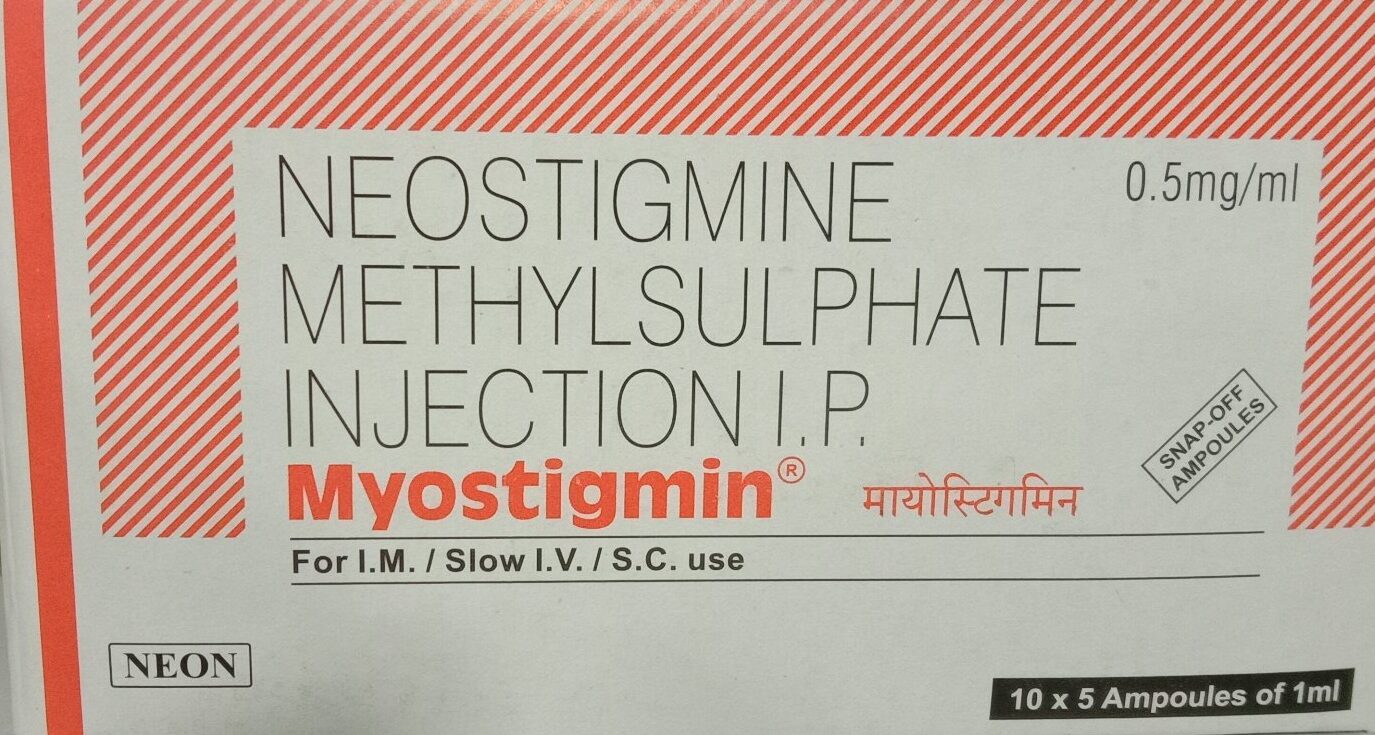
Myostigmin 0.5 mg injection is used in the following:
Myostigmin 0.5mg Injection contains an active component such as Neostigmine methyl sulphate. It is a medication primarily used to treat myasthenia gravis, a neuromuscular disorder that leads to muscle weakness and fatigue. It can be used to treat postoperative paralytic ileus, a condition where the normal contractions of the intestines are reduced or absent after surgery. It helps enhance gastrointestinal motility. This medication can reverse the effects of certain muscle relaxants used during surgical procedures.
In some cases, it may be used to manage orthostatic hypotension, a condition where blood pressure drops significantly upon standing up. It might be used to manage certain types of dysautonomia and autonomic nervous system disorders that can lead to various symptoms, including dizziness, heart rate irregularities, and difficulty regulating body temperature.
You should not use it if you have a known allergy or hypersensitivity to Myostigmin 0.5 mg or any ingredients in the medication. It can affect heart rate and cardiac conduction, so it should be avoided for individuals with bradycardia (slow heart rate) or heart block. It may worsen symptoms in individuals with uncontrolled hyperthyroidism. It should not be used as a treatment for hyperthyroidism. It can exacerbate respiratory symptoms and is not used to treat acute asthma attacks. It can be used in children with myasthenia gravis or other neuromuscular conditions, but the dosage and administration might differ from adults. Myostigmin 0.5 mg can be used in the elderly, but dosage adjustments might be necessary due to potential age-related changes in metabolism and other health considerations.
Myostigmin 0.5 mg injection works by inhibiting the action of acetylcholinesterase, an enzyme that breaks down the neurotransmitter acetylcholine. By inhibiting this enzyme, Myostigmin 0.5 mg increases the levels of acetylcholine in the neuromuscular junction, which improves muscle function.
Inform the doctor about your medicines, including prescription, over-the-counter, nutritional or vitamin supplements, and herbal products. Certain medications may interact with Myostigmin 0.5 mg, reducing effectiveness by causing undesirable side effects.
A healthcare provider can administer Myostigmin 0.5 mg as an intravenous injection. The healthcare provider determines the exact dose, duration, and frequency.
Consult your doctor
The safety of Myostigmin 0.5 during pregnancy should be discussed with your healthcare provider. They will consider the potential risks and benefits before making a recommendation.
Consult your doctor
Myostigmin 0.5 mg might pass into breast milk, potentially affecting the nursing infant.
Consult your doctor
Myostigmin 0.5 mg injection can worsen respiratory symptoms, so individuals with lung conditions like asthma should consult a healthcare provider before using this medication.
Consult your doctor
Myostigmin 0.5 mg injection might not be suitable for individuals with certain types of liver disease. It’s important to discuss your specific liver condition with your healthcare provider before using it.
Unsafe
It is not safe to use alcohol while taking Myostigmin 0.5 mg , as alcohol might enhance certain side effects and interactions.
Consult your doctor
Myostigmin 0.5 mg can cause side effects like dizziness or blurred vision, which could impair your ability to drive safely.
Serious
Common




Reviews
There are no reviews yet.