









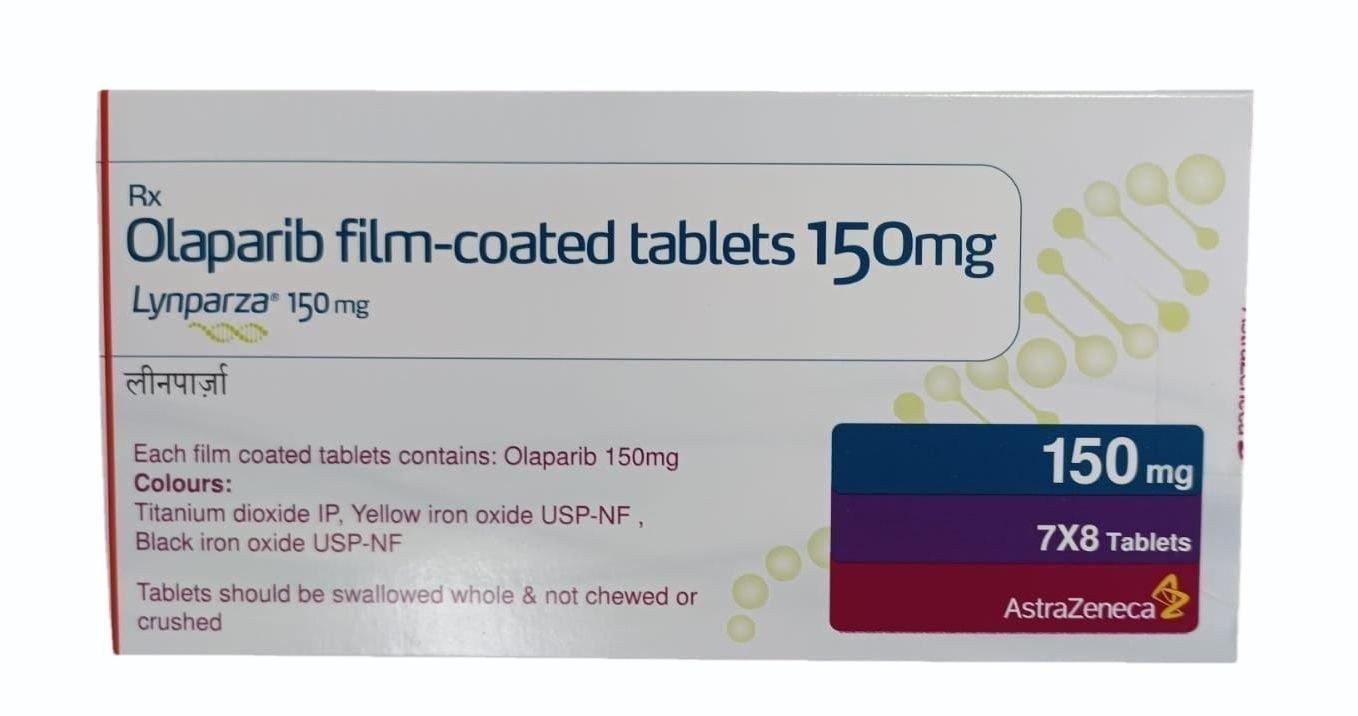
Lynparza 150mg Tablet
Olaparib
₹41,025.00
Uses of Lynparza 150mg Tablet
-
Ovarian cancer – for patients with BRCA mutations or recurrent cases.
-
Breast cancer – in HER2-negative, BRCA-mutated advanced or metastatic cases.
-
Prostate cancer – in advanced, BRCA-mutated, castration-resistant cases.
-
Pancreatic cancer – in patients with BRCA mutations who have not progressed after chemotherapy.
Out of stock
Introduction of Lynparza 150 mg Tablet
Lynparza 150 mg Tablet is a targeted cancer medicine used in the treatment of certain types of cancers. It contains Olaparib, which belongs to a class of drugs known as PARP inhibitors. By blocking PARP enzymes, it helps prevent cancer cells from repairing their DNA, leading to their death and slowing down the growth of tumors.
Description of Lynparza 150 mg Tablet
-
Composition: Each tablet contains 150 mg of Olaparib.
-
Therapeutic Class: Anticancer / targeted therapy.
-
Mechanism: Inhibits PARP (Poly ADP Ribose Polymerase) enzymes, making it difficult for cancer cells to repair damaged DNA, while normal cells remain less affected.
Benefits
-
Used for the treatment of ovarian cancer, fallopian tube cancer, peritoneal cancer, breast cancer, pancreatic cancer, and prostate cancer in specific patients with BRCA gene mutations.
-
Helps slow down cancer progression and improve survival rates.
-
Provides a targeted approach, reducing harm to normal cells compared to traditional chemotherapy.
-
Can be used as a maintenance therapy to prevent cancer recurrence after initial treatment response.
How to Use
-
Take the tablet orally, with a full glass of water.
-
Swallow whole; do not crush, chew, or split the tablet.
-
It may be taken with or without food, as advised by your doctor.
-
Try to take it at the same time each day for best results.
-
Follow the exact dose and schedule prescribed by your oncologist.
-
Do not stop or adjust the dose without medical advice.
Uses
-
Ovarian cancer – for patients with BRCA mutations or recurrent cases.
-
Breast cancer – in HER2-negative, BRCA-mutated advanced or metastatic cases.
-
Prostate cancer – in advanced, BRCA-mutated, castration-resistant cases.
-
Pancreatic cancer – in patients with BRCA mutations who have not progressed after chemotherapy.
Side Effects
Like all anticancer medicines, Lynparza may cause side effects. Common ones include:
-
Fatigue and weakness
-
Nausea, vomiting, and loss of appetite
-
Diarrhea or indigestion
-
Headache or dizziness
-
Shortness of breath
-
Low blood cell counts (anemia, low platelets, low white cells)
-
Taste changes
Serious side effects (seek medical help immediately):
-
Severe infections due to low white blood cells
-
Breathlessness, persistent cough (possible lung-related effects)
-
Signs of secondary cancers (rare but possible with long-term use)
-
Severe allergic reactions
⚠️ Safety Advice:
-
This medicine should only be taken under the supervision of an oncologist.
-
Regular blood tests are required to monitor blood counts and organ function.
-
Not recommended during pregnancy or breastfeeding.
-
Patients should inform their doctor about all other medicines they are taking to avoid harmful interactions.
Brand
Astrazeneca Pharma India LTD
Related products

Zostum 1.5gm Injection
Cefoperazone, Sulbactam
₹249.62Current price is: ₹249.62. Original price was: ₹499.25.

Reviews
There are no reviews yet.